

화질구지
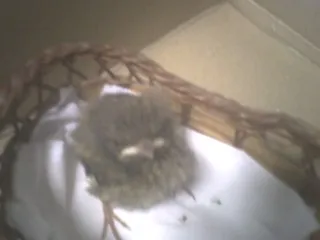
Potato Quality Hwajil GugiOriginal
Pronunciation
- Hwa-jil Goo-ji (화질구지)
* "Hwa" sounds like "wah" in "water". * "jil" sounds like "jill". * "Goo" sounds like "goo" in "goose". * "ji" sounds like "jee" in "jeep".
Origin and Popularity
The 'Hwajil-guji' meme originated from a question posted on Naver Knowledge iN (a Korean Q&A platform) on May 7, 2007. The meme began when a netizen uploaded a photo of a baby stonechat and asked about the bird's species. A responder, without using spaces, replied, "화질구지네요." (Hwajil-gujineyo), which literally means "The picture quality is bad." This response was mistakenly understood as the name of the bird, leading to the meme's widespread popularity across the internet. It continued to be used consistently throughout the 2010s, appearing in Naver webtoons like 'Time in Joseon' (2011) and 'Samgukji Talk' (2018), further cementing its recognition. In 2016, it even ranked 4th among popular new words searched on the Naver Korean Dictionary.
Meaning
'Hwajil-guji' originally means "the picture quality is poor" or "the picture quality is not good," used to describe very low quality in photos or videos. However, due to the responder's lack of spacing, other users misunderstood the reply as the name of the bird. Consequently, it began to be used as a fictional name for birds in low-quality photos. Over time, the meme's meaning expanded. It is now metaphorically used to describe the poor quality of any media content, including not just photos and videos but also audio files and other digital media.
Derived Memes
Several derived terms have emerged from 'Hwajil-guji', such as 'Hwajil-gaeguri' (화질개구리, literally "picture quality frog," implying bad quality), 'Hwajil-johji' (화질좋지, "picture quality good," used ironically), and 'Eumjil-guji' (음질구지, "audio quality guji," referring to bad audio quality).
Target Audience
This meme, having originated on Naver Knowledge iN in 2007 and spread across various internet communities, is primarily known to generations familiar with internet culture. Specifically, it resonates more with individuals in their late 20s to early 40s who were actively using the internet during the meme's peak popularity in the late 2000s and early 2010s. However, its mention in various media, such as webtoons, has increased its recognition, leading to understanding across many age groups.
No comments yet.
Want more features?
Install the KMeme app and enjoy quizzes, meme likes, comments and more!