
낭낭하다 / 상해부렀스
Meme Name: Nang-nang-hada / Sang-hae-bu-reoss-seu
Pronunciation:
- Nang-nang-hada: "Nahng-nahng-hah-dah" (like "nahng" in "hang," "hah" like "ha" in "haha," "dah" like "da" in "data")
- Sang-hae-bu-reoss-seu: "Sahng-heh-boo-reot-seu" (like "sahng" in "song," "heh" like "he," "boo" like "boo," "reot" like "rut," "seu" like "Sue")
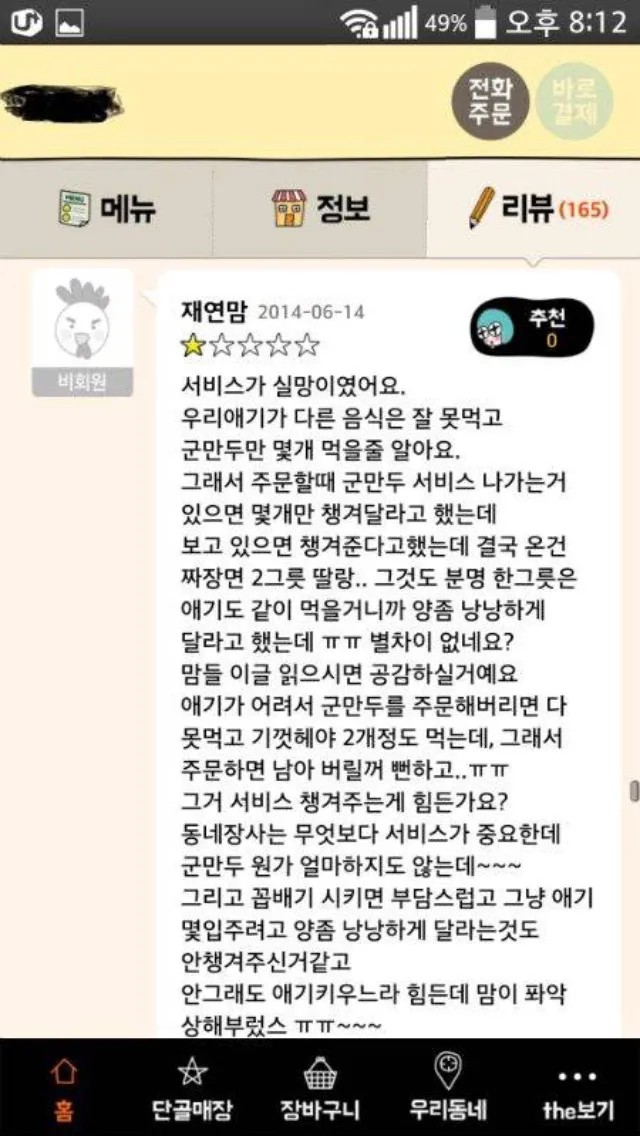
Trend Period: Both "Nang-nang-hada" and "Sang-hae-bu-reoss-seu" emerged around 2014. They gained widespread popularity through internet communities after a screenshot of a delivery app review by a user known as "Jaeyeon Mom" went viral. "Nang-nang-hada" became particularly popular from the mid-2010s onward, especially among Gen Y (Millennials), replacing older slang terms like "ippai" or "jon-na." "Sang-hae-bu-reoss-seu" became widely known through the specific phrase "맘이 퐈악 상해부렀스" (My feelings are totally hurt).
Meaning:
- Nang-nang-hada: This is not a standard Korean word. It is presumed to be a cuter or more endearing way of saying '넉넉하다' (neok-neok-hada) or '낙낙하다' (nak-nak-hada), which mean 'ample' or 'generous.' While it can mean 'a lot' or 'plenty,' it carries a positive nuance, suggesting something is full, substantial, and satisfying, yet subtly so, without being overtly excessive.
- Sang-hae-bu-reoss-seu: This phrase emphasizes the meaning of "my feelings are hurt" or "I'm upset." It is often used to express dissatisfaction in absurd or somewhat unreasonable situations, highlighting a unique emotional tone that can be perceived as slightly exaggerated or even a bit petulant.
User Base: Both memes initially gained traction among internet community users following the "Jaeyeon Mom" incident. "Nang-nang-hada" saw its usage expand primarily among Gen Y (Millennials) and is now broadly used across all age groups and genders, appearing in various media like news articles and musicals. "Sang-hae-bu-reoss-seu" was mainly used by younger generations on online communities and social media, with both men and women using it to express exaggerated dissatisfaction in specific contexts.
Usage Examples & Cautions:
Usage Examples: *
- Top Star News: Google Newsstand Launches Exclusive 'Rain' Edition… 'Receive it generously (낭낭하게) twice.'
- In the 2023 premiere of the musical "Come From Away," the character Beulah used "낭낭하다" to describe the ample amount of supplies received in Act 1.
- "맘이 퐈악 상해부렀스 ㅠㅠ
~" (My feelings are totally hurt ㅠㅠ~), often used alongside "낭낭하다." - "기분이 퐈악 상해부러쓰." (My mood is totally ruined.)
- "낭낭하게 맘 팍 상해부렀으." (My feelings are generously/amply hurt.)
Cautions: Neither "Nang-nang-hada" nor "Sang-hae-bu-reoss-seu" are standard Korean expressions, so it is advisable to avoid using them in formal settings or official writing. Furthermore, both memes originated from a controversial review by "Jaeyeon Mom" (with "Sang-hae-bu-reoss-seu" specifically linked to the "Mom-chung" controversy). Therefore, for those aware of their background, using these memes might convey a negative impression. It is important to be mindful of the context and your audience when using them.
No comments yet.
Want more features?
Install the KMeme app and enjoy quizzes, meme likes, comments and more!